Are you looking for a scope for hunting, competition or hobby shooting? You are in the right category.
How to choose a scope
When choosing a scope, proceed systematically. It primarily depends on what and in what conditions you plan to use the scope for.
An inappropriately chosen scope degrades the shooting even from a very high-quality firearm.
Choosing a scope depends primarily on your discipline
Each type of shooting places different demands on the scope. A hunter in a high seat needs something completely different than a shooter in a dynamic discipline. Look at which attributes are key for individual types of shooting.
Sport shooting and long-range shooting
-
high magnification (5–25×, 6–24×, or 7–35×)
-
fine reticles
-
precise clicking mechanics (turrets)
-
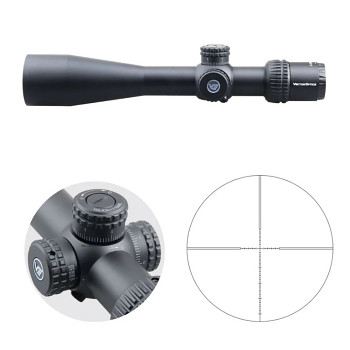
scope with first focal plane (FFP), where the crosshair increases proportionally to the magnification of the image
-
larger tube diameter, which provides space for mechanics and a larger clicking range
-
parallax adjustment wheel
Hunting
-
good light transmission = large objective lens (50–56 mm)
-
high-quality glass with high transmission
-
illuminated red dot that can be dimmed to prevent glare
-
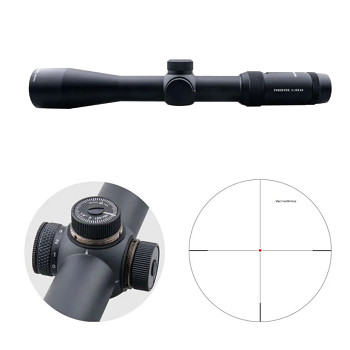
scope with second focal plane (SFP), where the crosshair remains the same and does not obscure the target
Driven hunts and dynamic shooting (e.g. IPSC discipline)
-
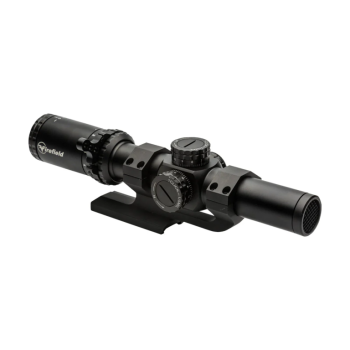
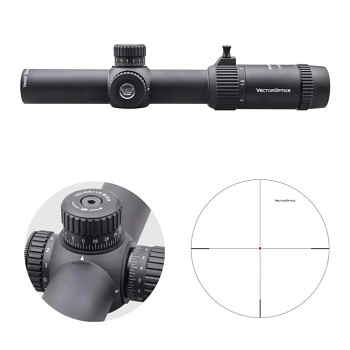
LPVO type scope (Low Power Variable Optics), which allow for fast shooting, accuracy and great light transmission
-
lower magnification limit of 1×, not larger – this allows for shooting with both eyes open
-
wide field of view
-
simple reticle with an illuminated dot
TIP: Red dots are also often used for dynamic shooting and driven hunts.
Recreational rimfire shooting
-
light scopes
-
fixed or smaller variable magnification (e.g. 3-9x)
-
parallax correction
-
smaller objective lens